
Boundary Line & Easement Disputes in Franklin, TN
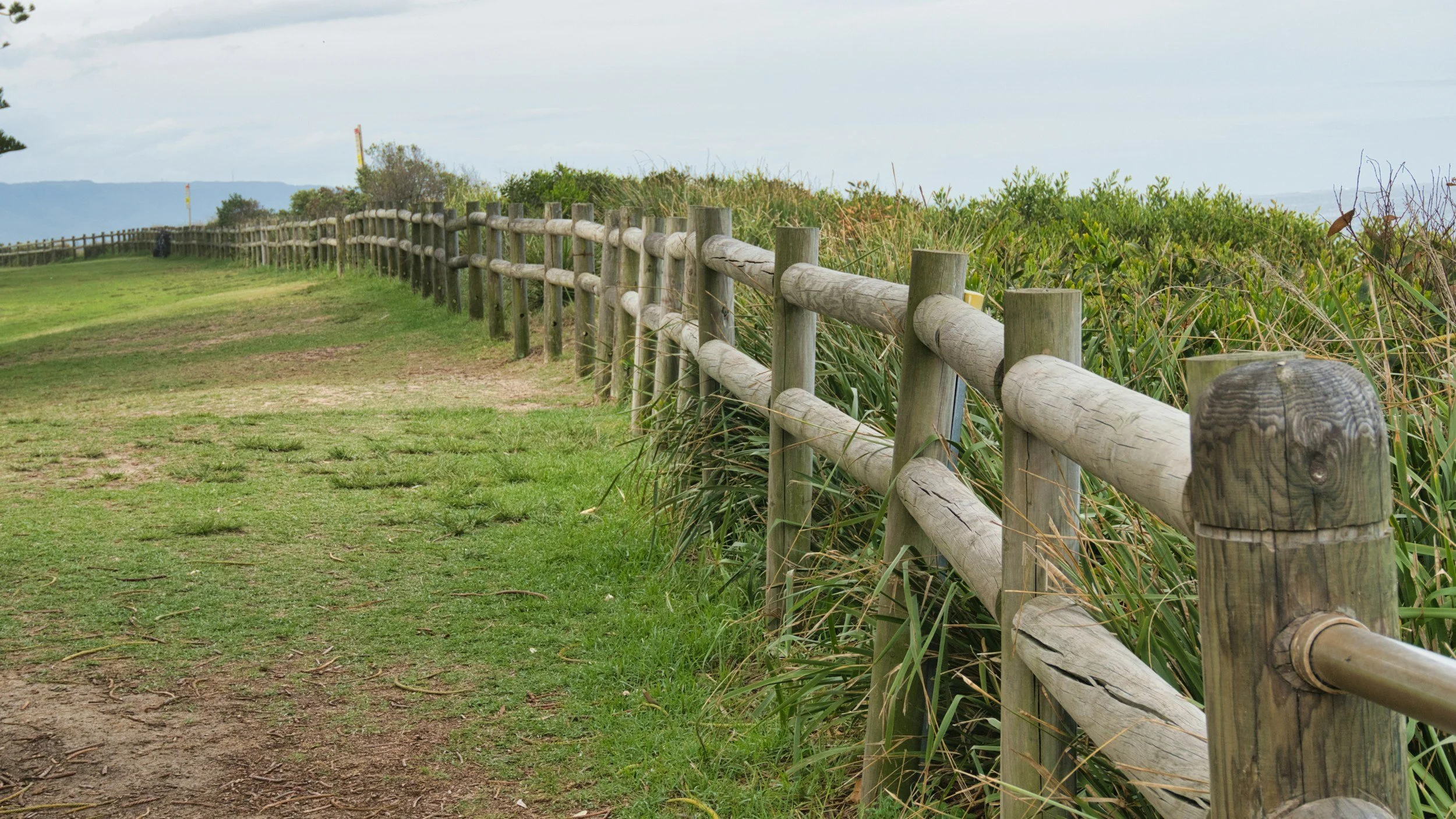
Property ownership comes with rights, but it also comes with boundaries. When boundary lines are unclear or easements are misunderstood, disputes can arise quickly and become expensive, stressful, and legally complex. In a growing and highly desirable market like Franklin, Tennessee, boundary line and easement disputes are more common than many property owners expect.
Whether you are a homeowner, landowner, developer, or commercial property investor, understanding your legal options is critical. Here’s what you need to know about boundary and easement disputes in Franklin — and how legal guidance can help protect your property rights.
Why Boundary Disputes Happen in Franklin
Franklin continues to experience steady development and property turnover. As land is subdivided, improved, and transferred, disputes can arise due to:
Old or inaccurate surveys
Fences built in the wrong location
Conflicting deed descriptions
Encroachments (driveways, sheds, structures)
Tree removal near property lines
Subdivision boundary inconsistencies
In some cases, the dispute stems from documents drafted decades ago. In others, new construction reveals inconsistencies between recorded property descriptions and actual use.
Even a small strip of land can become the subject of significant conflict.
What Is a Boundary Line Dispute?
A boundary line dispute occurs when neighboring property owners disagree about the location of the dividing line between their properties.
Common examples include:
A neighbor building a fence over the line
A driveway partially crossing onto adjacent property
Landscaping or retaining walls extending beyond the boundary
Structures constructed too close to a property line
In Tennessee, boundary disputes are often resolved through:
Survey evidence
Deed interpretation
Historical use
Adverse possession claims
Because these matters involve property rights, they can significantly affect property value and future sale potential.
Understanding Easements in Tennessee
An easement is a legal right allowing someone to use a portion of another person’s property for a specific purpose.
Common easements in Franklin include:
Utility easements
Drainage easements
Access easements (shared driveways)
Prescriptive easements
Easements by necessity
While easements are common and often necessary, disputes arise when:
A property owner blocks access
The easement is used beyond its intended scope
The easement location is unclear
One party claims an easement that was never formally granted
Misunderstanding easement rights can lead to lawsuits, injunctions, and costly delays.
Common Boundary & Easement Disputes in Williamson County
In Williamson County, including Franklin, we frequently see disputes involving:
1. Encroachments
When a structure crosses the boundary line — even slightly — it may require removal, negotiation, or court intervention.
2. Adverse Possession Claims
In some cases, a neighbor claims ownership of property through long-term use. Tennessee law sets specific legal standards for these claims.
3. Driveway & Access Disputes
Shared or unclear access routes often lead to disagreement, particularly when one property changes ownership.
4. Fence Line Conflicts
A long-standing fence does not automatically determine the legal boundary.
5. Development & Subdivision Issues
As land is divided and developed, survey discrepancies may emerge.
These disputes can escalate quickly if not addressed strategically.
How Are Boundary Disputes Resolved?
Resolution options depend on the facts of the case and the willingness of parties to cooperate.
Survey & Investigation
The first step is often obtaining a professional survey to clarify legal property lines. Reviewing deeds, plats, and historical property records is also critical.
Negotiation
Many disputes can be resolved through negotiation between property owners, sometimes resulting in:
Boundary line agreements
Easement modifications
Property transfers
Compensation agreements
Mediation
Mediation allows parties to work toward resolution without the expense of trial.
Litigation
If informal resolution fails, filing a lawsuit may be necessary. Courts can:
Declare the legal boundary
Quiet title
Order removal of encroachments
Award damages
Litigation is often a last resort but may be required to protect your rights.
What Is Adverse Possession in Tennessee?
Adverse possession allows someone to claim ownership of property if they meet strict legal requirements over a statutory period. These claims require:
Open and obvious use
Exclusive possession
Continuous use for the required period
Hostile possession (without permission)
Adverse possession cases are fact-specific and often heavily contested.
If you suspect a neighbor is claiming part of your property — or you believe you may have a claim — legal guidance is essential.
What Is a Quiet Title Action?
A quiet title action is a lawsuit asking the court to determine rightful ownership of disputed property. These cases are commonly used when:
Boundaries are unclear
Competing claims exist
Title defects are discovered
Easement rights are disputed
A court order clarifying ownership can eliminate uncertainty and restore marketability.
Why Early Legal Guidance Matters
Boundary and easement disputes rarely resolve themselves. Ignoring the issue can lead to:
Escalating conflict
Increased legal costs
Difficulty selling your property
Permanent loss of rights
Early legal involvement allows you to:
Preserve evidence
Prevent escalation
Evaluate negotiation options
Protect long-term property value
In Franklin’s competitive real estate market, clarity of ownership is critical.
Preventing Boundary & Easement Problems
While not all disputes are avoidable, property owners can reduce risk by:
Obtaining a current survey before purchasing property
Reviewing easement documents carefully
Confirming fence placement before installation
Documenting agreements in writing
Consulting a lawyer before granting access rights
Preventative action is almost always less expensive than litigation.
When Should You Contact a Real Estate Lawyer?
You should consider contacting an attorney if:
A neighbor claims part of your land
A survey reveals encroachments
You discover an unrecorded easement
Access to your property is blocked
You receive legal notice of a boundary claim
Property disputes can affect resale value, financing, and development potential. Addressing them promptly protects your investment.
If you are dealing with a boundary line or easement dispute, consult an experienced real estate lawyer in Franklin, TN to discuss your situation and available remedies.